New Zealand is renowned for its stunning coastline and world-class surf breaks, attracting water sports enthusiasts from across the globe. While traditional surfing remains popular, a new trend is taking hold in the surfing community: surf foiling. This innovative sport is gaining momentum, especially in New Zealand, where the vast expanse of ocean and diverse wave conditions provide the perfect playground for surf foiling enthusiasts. For an advanced surf foiling, click here.
What is Surf Foiling?
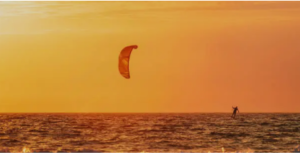 Surf foiling, sometimes referred to as foil surfing, is an evolution of traditional surfing. The significant difference lies in the equipment. Instead of riding waves on a standard surfboard, surf foiling uses a hydrofoil—a wing-like structure mounted underneath the board. As the foil catches the water, it lifts the board (and rider) above the surface, creating a smooth, gliding experience that feels almost like flying.
One of the most significant advantages of surf foiling is that it allows riders to catch waves much earlier and even ride smaller, slower waves that might not be suitable for traditional surfing.
Why New Zealand is Ideal for Surf Foiling
New Zealand’s varied coastline offers a range of surf conditions ideal for surf foiling. From the powerful breaks of the West Coast to the gentler swells of the East, the country has something for everyone, from beginners to seasoned pros.
Here are a few reasons why New Zealand is quickly becoming a hub for surf foiling:
- Diverse Conditions: New Zealand’s two coasts have different oceanic influences, providing year-round surf opportunities. While the Tasman Sea (on the west) delivers more giant, more powerful waves, the Pacific Ocean (on the East) offers smoother, more mellow conditions—perfect for those new to foiling. This diversity allows foil surfers to select their ideal conditions depending on the day.
- Uncrowded Waves: Unlike more famous surf destinations, New Zealand’s beaches are often less crowded. It is especially beneficial for surf foilers, as the sport requires a bit more space and freedom to maneuver.
- Epic Scenery: Whether you’re soaring over the waves at Raglan, gliding along the East Coast, or exploring the hidden beaches of Northland, New Zealand offers jaw-dropping scenery that adds to the experience of surf foiling.
- Foiling-Friendly Spots: Many of New Zealand’s coastal regions feature long, rolling waves that are ideal for surf foiling. Some popular spots include Raglan, Mount Maunganui, and Piha, though more remote areas like Northland and Taranaki also offer excellent foiling conditions.
The Best Surf Foiling Locations in New Zealand
If you’re new to surf foiling or looking for the best spots to test your skills, New Zealand has plenty to offer. Here are some of the top locations for surf foiling:
- Raglan: Famous for its long left-hand point break, Raglan is a favourite among surfers of all types. It offers consistent waves, and its long rides make it perfect for foiling. The town’s vibrant surf culture also makes it a great place to connect with fellow surf foilers.
- Mount Maunganui: This famous surf town on the Bay of Plenty offers a wide range of wave conditions, from mellow beach breaks to more challenging reef breaks. It’s an excellent spot for those learning to foil or those looking for a relaxing day on the water.
- Piha: Located on Auckland’s West Coast, Piha is known for its strong surf and black sand beaches. The powerful waves here can offer thrilling experiences for more advanced foilers.
- Taranaki: Often overlooked by the crowds, Taranaki’s coastline offers a mix of point and beach breaks that are ideal for surf foiling. Its remote location means fewer people in the water, allowing for more uninterrupted rides.
- Northland: If you’re looking for adventure, head to the far north. Northland’s secluded beaches offer a range of surf conditions with few crowds, giving foilers the opportunity to explore untouched waves in a tranquil setting.
Conclusion:
As surf foiling continues to grow in popularity, New Zealand is emerging as a prime destination for this exciting new sport. With its diverse wave conditions, stunning landscapes, and welcoming surf culture, New Zealand offers endless opportunities for surf foilers to explore, learn, and experience the thrill of flying above the waves.
 Adelaide’s weather can be unpredictable, with periods of drought followed by sudden downpours. This combination can lead to gutters becoming clogged with leaves, twigs, and other debris, especially if trees surround your property. When gutters are blocked, water cannot flow freely, causing it to overflow and potentially damage your home’s foundation, walls, and roof. Over time, this can lead to significant repair costs.
 The primary benefit of high tensile strength baling twine is its superior durability and strength. Unlike standard twine, which may struggle under the weight and pressure of large bales, high tensile strength twine is designed to withstand greater loads. This increased tensile strength ensures that bales remain tightly bound and secure throughout handling, transportation, and storage. For farmers, this means fewer instances of bales coming apart or requiring re-baling, which can save both time and labour.
 In Adelaide, a speech pathologist plays a crucial role in addressing communication and swallowing disorders. Offering personalised assessments and therapies, these professionals enhance speech, language, and swallowing abilities. Whether through voice therapy or AAC devices, speech pathologists in Adelaide are dedicated to improving quality of life. Seek expert help for practical solutions.
 What Are Office Fit Outs?
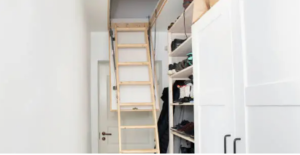 The material and construction quality of a residential roof access hatch is crucial for both safety and durability. The hatch must be robust enough to withstand various environmental conditions, including extreme weather, UV exposure, and potential impact. Common materials used in the construction of roof access hatches include steel, aluminium, and fibreglass.
 Understanding Roof Leaks