A cranial cruciate ligament (CCL) tear is one of the most common orthopedic injuries affecting dogs, often leading to pain, lameness, and reduced mobility. In Portland, Oregon, pet owners have access to a range of advanced treatment options tailored to address this condition effectively. Understanding the available treatments and their implications is crucial for ensuring the best outcome for your canine companion. For professional CCL tear in dogs treatment services, click here.
Understanding CCL Tears in Dogs
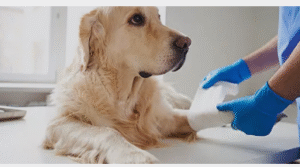 The CCL in dogs is analogous to the anterior cruciate ligament (ACL) in humans. It plays a pivotal role in stabilising the knee joint. A tear or rupture can result from sudden trauma or, more commonly, from gradual degeneration. Breeds such as Labrador Retrievers, Rottweilers, and Newfoundlands are particularly prone to this condition.
Symptoms to Watch For:
- Sudden limping or lameness in a hind leg
- Difficulty rising or jumping
- Swelling around the knee joint
- Reluctance to bear weight on the affected limb
Early diagnosis and intervention are crucial for preventing further joint damage and initiating appropriate treatment.
Surgical Treatment Options
Surgical intervention is often the most effective approach for treating CCL tears, especially in active or larger dogs. Portland boasts several veterinary clinics equipped to perform these advanced procedures.
Tibial Plateau Levelling Osteotomy (TPLO)
TPLO is widely regarded as the gold standard for treating CCL tears in dogs. The procedure involves cutting and rotating the tibial plateau to alter the biomechanics of the knee, thereby stabilising the joint without relying on the damaged ligament. This method is particularly beneficial for large or athletic dogs. Studies have shown that TPLO offers superior outcomes compared to other techniques, with most dogs returning to normal or near-normal function post-surgery.
Tibial Tuberosity Advancement (TTA)
TTA is another surgical option that modifies the mechanics of the knee joint. It involves advancing the tibial tuberosity to stabilise the joint during movement. While TTA is effective, especially in medium to large breeds, it may not provide the same level of stability as TPLO.
Extracapsular Repair (Lateral Suture Technique)
This technique is often recommended for smaller dogs (under 50 pounds). It involves placing a strong suture outside the joint to mimic the function of the CCL. While less invasive and more cost-effective, this method may not be suitable for larger or highly active dogs due to a higher risk of suture failure.
Non-Surgical and Conservative Management
For older dogs with concurrent health issues or those who are less active, non-surgical management may be considered. This approach focuses on alleviating symptoms and improving joint function through:
- Weight Management: Maintaining an optimal weight reduces stress on the joints.
- Physical Therapy: Tailored exercises can strengthen surrounding muscles and improve mobility.
- Medications: Non-steroidal anti-inflammatory drugs (NSAIDs) help control pain and inflammation.
- Joint Supplements: Supplements containing glucosamine and chondroitin may support joint health.
It’s important to note that while conservative management can provide relief, it may not prevent the progression of joint degeneration or the development of arthritis.
Rehabilitation and Recovery
Post-treatment rehabilitation is crucial for optimal recovery, whether the approach is surgical or conservative. In Portland, several veterinary rehabilitation centres offer specialised services to aid in your dog’s recovery.
Key Rehabilitation Therapies:
- Hydrotherapy: Utilises water resistance to improve strength and range of motion while minimising joint stress.
- Laser Therapy: Promotes tissue healing and reduces inflammation.
- Manual Therapy: Includes massage and joint mobilisation to alleviate pain and improve mobility.
- Therapeutic Exercises: Customised routines to restore function and prevent muscle atrophy.
Choosing the Right Treatment in Portland, OR
Portland is home to numerous veterinary specialists experienced in diagnosing and treating CCL injuries. When selecting a treatment plan, consider factors such as your dog’s size, age, activity level, and overall health. Consulting with a board-certified veterinary surgeon can provide valuable insights into the most suitable surgical options, while a veterinary rehabilitation specialist can offer guidance on post-treatment recovery.
Conclusion:
Addressing a CCL tear in dogs requires a comprehensive approach that considers the individual needs of your pet. In Portland, Oregon, pet owners have access to a wealth of resources and veterinary expertise to ensure effective treatment and recovery. By staying informed and proactive, you can help your dog return to a happy, active life.
 Energy-efficient display homes are designed to showcase the capabilities of sustainable construction while providing a tangible glimpse into what your future home could look like. These homes are built with environmental performance in mind and are equipped with features that minimise energy use without compromising on comfort or style.