As solar energy continues to gain popularity, finding the best solar panel is crucial for homeowners and businesses in Adelaide seeking long-term energy savings. The level of efficiency, durability, and overall performance of a solar panel determines its effectiveness in harnessing sunlight and converting it into usable electricity. In this article, we’ll explore the 10 essential traits of the best solar panels for maximum efficiency, helping you make a significantly informed decision when investing in solar energy.
1. High Energy Efficiency
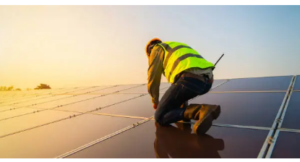 One of the most important characteristics of the best solar panel is high energy efficiency. Efficiency refers to the panel’s ability to convert sunlight into electricity. The top-performing panels on the market offer efficiency rates of 20% or higher, allowing users to generate more power with fewer panels. Monocrystalline solar panels, for instance, tend to have the highest efficiency levels compared to polycrystalline and thin-film panels.
2. Durability and Longevity
The best solar panel should be built to last for decades. The typical lifespan of high-quality solar panels is 25-30 years, with minimal degradation in performance. Factors such as robust construction, high-quality materials, and resistance to environmental conditions (such as hail, strong winds, and temperature fluctuations) contribute to the longevity of a solar panel.
3. Strong Warranty and Manufacturer Reliability
Reliable manufacturers back their products with strong warranties. The best solar panel brands offer warranties ranging from 20 to 25 years, covering both product defects and performance guarantees. A long warranty period reflects the manufacturer’s confidence in their product’s durability and efficiency.
4. High Temperature Coefficient
The temperature coefficient significantly measures how well a solar panel performs under high temperatures. The best solar panel should have a low-temperature coefficient, meaning it loses less efficiency as temperatures rise. Since solar panels are often exposed to direct sunlight for long hours, a low-temperature coefficient ensures consistent performance even in hot weather conditions.
5. Superior Low-Light Performance
Not all solar panels perform equally well in low-light conditions. The best solar panel should maintain high efficiency even on cloudy days, during early mornings, or late afternoons. Advanced technologies like PERC (Passivated Emitter and Rear Contact) and bifacial designs improve low-light performance, ensuring stable energy production throughout the day.
6. High Power Output
Power output significantly refers to the amount of electricity a solar panel can generate. The best solar panel should offer high wattage options, typically ranging from 350W to 500W or more. Higher wattage panels allow for more energy production within a smaller space, making them ideal for residential and commercial installations with limited roof area.
7. Advanced Cell Technology
Modern solar panels use advanced cell technologies to enhance performance and efficiency. Some of the most notable technologies found in the best solar panel options include:
- PERC cells – Improve light absorption and reduce electron recombination.
- Half-cut cells – Increase efficiency by reducing power losses and improving shade tolerance.
- Bifacial panels – Capture sunlight from both the front and back for increased energy generation.
- Heterojunction technology (HJT) – Combines crystalline silicon and thin-film layers to enhance efficiency.
8. Excellent Performance in Extreme Weather Conditions
The best solar panel should withstand extreme weather conditions, including heavy rain, snow, strong winds, and high temperatures. Look for panels that have completely undergone rigorous testing and are certified for wind load resistance, hail impact resistance, and salt mist corrosion resistance (especially for coastal areas). IEC 61215 and IEC 61730 certifications indicate high reliability.
9. Sleek Design and Aesthetic Appeal
Homeowners in Adelaide often prefer solar panels that blend seamlessly with their rooftops. The best solar panel should not only be efficient but also aesthetically pleasing. Many manufacturers offer black-on-black panels or frameless designs for a sleek, modern look without compromising performance.
10. Cost-Effectiveness and Return on Investment (ROI)
While the initial cost of high-quality solar panels may be much higher, the best solar panel provides better value in the long run. High efficiency, durability, and strong warranties contribute to greater energy savings and a much quicker return on investment. When choosing a solar panel, it’s important to balance upfront costs with long-term benefits, including energy savings and potential incentives like tax credits or rebates.
Conclusion
Investing in the best solar panel is essential for maximising energy efficiency and long-term savings. The key traits to look for include high efficiency, durability, strong warranties, advanced technology, and superior performance in different conditions. By choosing high-quality solar panels from a reputable manufacturer, you can ensure reliable and cost-effective energy generation for decades to come. Whether for residential or commercial use, selecting the right solar panel is a crucial step toward a sustainable and energy-efficient future.