When it comes to building your dream home, choosing the right home builders in Adelaide, SA, is crucial. Adelaide, the capital of South Australia, offers a blend of modern living, historical charm, and coastal beauty. Whether you’re a first-time homebuyer or looking to create a custom-built residence, finding reputable and experienced home builders in Adelaide is the first step toward turning your vision into reality. For professional home builders, click here.

Why Choose Local Home Builders in Adelaide, SA?

home buildersAdelaide boasts a diverse range of housing styles, from contemporary designs to classic architectural styles. Local home builders have an in-depth understanding of the area’s unique building regulations, climate, and land types. This local knowledge ensures that your home is not only built to the highest standards but also tailored to meet the specific needs of the region. Whether you are building in the heart of the city or the surrounding suburbs, working with local builders offers a range of benefits.

Quality Craftsmanship and Expertise

One of the most critical factors when selecting home builders in Adelaide is their craftsmanship and experience. Adelaide’s climate and terrain require specific building techniques, which local home builders are well-versed in. With years of experience under their belt, these builders bring attention to detail and a commitment to quality that guarantees your home will be built to last.

From foundation to finishing touches, skilled tradespeople ensure that every aspect of the building process is handled professionally. Whether you opt for a traditional brick-and-mortar home or a modern energy-efficient design, professional home builders in Adelaide are equipped to handle your requirements.

Custom Designs to Suit Your Lifestyle

Home builders in Adelaide are adept at creating custom homes that reflect your taste and lifestyle. They can take your ideas and turn them into a unique living space that fits your needs and preferences. Whether you want an open-plan living area, sustainable features, or a home office, experienced builders can design your home to suit your lifestyle perfectly.

Additionally, many home builders in Adelaide offer a range of home designs and plans, allowing you to select a layout that fits your family’s needs. If you have specific design requests or want to include certain features, they can tailor the plans accordingly, ensuring your home is as unique as you are.

Sustainable Building Practices

Sustainability is becoming an increasingly important consideration in new home construction. Home builders in Adelaide are embracing green building practices, from energy-efficient homes to environmentally friendly materials. By working with a builder who prioritises sustainability, you can reduce your energy consumption, lower your environmental impact, and save on long-term costs.

Adelaide’s climate is ideal for incorporating solar power, rainwater harvesting, and passive design features. A well-designed home can harness natural sunlight for warmth and use insulation and ventilation to reduce the need for artificial heating and cooling. Local home builders can guide you in selecting energy-efficient appliances and sustainable building materials to ensure your home is both eco-friendly and cost-effective.

Timely and On-Budget Delivery

Building a home can be a lengthy process, and it’s important to choose home builders in Adelaide who are known for their ability to meet deadlines and stay within budget. A reliable builder will provide a detailed project timeline and ensure that all phases of construction are completed on time. Additionally, transparency in pricing ensures that there are no hidden costs or unexpected financial surprises.

By selecting a builder with a reputation for honesty and reliability, you can have peace of mind throughout the construction process.

Conclusion:

Building a home is one of the most significant investments you’ll ever make, and choosing the right home builders in Adelaide is essential to ensuring the success of your project. By selecting a reputable, experienced, and communicative builder, you can bring your vision to life and create a home that meets your needs and exceeds your expectations.

With the expertise, craftsmanship, and commitment to quality that local Adelaide home builders offer, you can rest assured that your dream home is in good hands. So, whether you’re planning a custom-built mansion or a cozy family home, take the time to find the right builder to make your dream a reality.

Adelaide, known for its picturesque landscapes and vibrant city life, also grapples with the essential task of waste management. Understanding the role of rubbish dumps in Adelaide is remarkably crucial for residents and businesses alike, ensuring responsible disposal and greatly contributing to a sustainable environment. This article provides a comprehensive overview of Adelaide’s waste disposal facilities, highlighting key information for effective waste management. For more information about open rubbish dumps, click here.

The Necessity of Rubbish Dumps in Adelaide

open rubbish dumpsAdelaide, like any urban area, generates significant amounts of waste. Rubbish dumps, or waste transfer stations and landfills, serve as vital infrastructure for managing this waste. They provide designated locations for the collection, sorting, and disposal of various materials, preventing uncontrolled dumping and minimising environmental impact.
These facilities play a critical role in:

  • Waste Diversion: Many modern rubbish dumps prioritise recycling and resource recovery, diverting materials from landfills.
  • Environmental Protection: Properly managed facilities minimise the risk of soil and water contamination, reducing the environmental footprint of waste disposal.
  • Public Health: Controlled disposal prevents the spread of disease and maintains sanitary conditions.

Types of Rubbish Dumps in Adelaide

Adelaide’s waste management system includes a range of facilities, each serving specific purposes:

  • Waste Transfer Stations: These facilities act as temporary holding points for waste. They consolidate waste from smaller collection vehicles before it’s transported to larger landfills or recycling plants, improving efficiency and reducing transportation costs.
  • Landfills: These are engineered sites designed for the long-term disposal of waste. Modern landfills incorporate measures to minimise environmental impact, such as leachate collection and gas capture systems.
  • Recycling Depots: While not strictly rubbish dumps, recycling depots are essential components of waste management. They accept recyclable materials like paper, cardboard, plastics, and metals, diverting them from landfills.

Key Considerations for Using Adelaide’s Rubbish Dumps

When utilising rubbish dumps in Adelaide, it’s essential to adhere to specific guidelines to ensure efficient and responsible waste disposal:

  • Sorting and Segregation: Properly sorting waste into categories like general waste, recyclables, and green waste is crucial. It allows for efficient processing and resource recovery.
  • Accepted Materials: Each facility has specific guidelines regarding accepted materials. Check the facility’s website or contact them directly for a list of accepted items.
  • Fees: Many rubbish dumps charge fees for waste disposal, especially for larger loads or specific materials. Be aware of the applicable fees before visiting.
  • Operating Hours: Check the facility’s operating hours to avoid inconvenience.
  • Hazardous Waste: Hazardous waste, such as chemicals, batteries, and electronic waste, requires special handling. For proper disposal, contact your local council or specialised waste management services.

Finding Rubbish Dumps in Adelaide

The Zero Waste SA website and local council websites are excellent resources for locating rubbish dumps in Adelaide. These websites provide information on facility locations, operating hours, accepted materials, and fees.

Additionally, online search engines and mapping services can help you locate nearby facilities.

Promoting Sustainable Waste Management

Beyond utilising rubbish dumps, Adelaide residents and businesses can contribute to sustainable waste management through:

  • Reducing Waste Generation: Minimising consumption and opting for reusable products can significantly reduce waste volume.
  • Recycling: Actively participating in recycling programs and properly sorting recyclables is essential.
  • Composting: Composting organic waste like food scraps and yard waste reduces landfill burden and creates valuable soil amendments.
  • Responsible Disposal: Ensuring proper disposal of hazardous waste and avoiding illegal dumping.

Rubbish Dumps and Adelaide’s Circular Economy

Adelaide is increasingly focusing on a circular economy, aiming to minimise waste and maximise resource utilisation.

This shift transforms the role of rubbish dumps from simple disposal sites to resource recovery hubs. Modern facilities are incorporating advanced technologies for sorting and processing waste and extracting valuable materials for reuse. Initiatives like community drop-off days for e-waste and household chemicals further divert hazardous items from landfills. The emphasis is on extending product lifecycles and creating closed-loop systems, reducing the reliance on traditional rubbish dumps and fostering a more sustainable future for Adelaide.

Conclusion:

Rubbish dumps play a critical role in Adelaide’s waste management system. By understanding the different types of facilities, adhering to disposal guidelines, and promoting sustainable waste practices, residents and businesses can contribute to a cleaner and more environmentally responsible Adelaide. Utilising online resources and contacting local councils can help residents quickly locate and appropriately use Adelaide’s rubbish dumps.

Silage is a crucial feed source for livestock, and ensuring its quality is essential for maintaining animal health and productivity. One of the most effective ways used in Australia to preserve silage quality is by using multi-layered silage wrap. This advanced wrapping technology plays a vital role in enhancing fermentation and retaining essential nutrients, making it a preferred choice among farmers and livestock owners.

Understanding Multi-Layered Silage Wrap

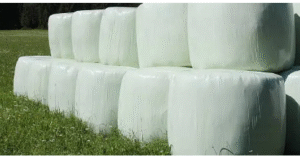
multi-layered silage wrapMulti-layered silage wrap is a high-performance plastic film designed specifically for sealing and protecting silage bales. Unlike single-layer wraps, multi-layered silage wrap consists of multiple bonded layers, providing superior strength, flexibility, and airtight sealing. These attributes help create an optimal anaerobic environment necessary for proper silage fermentation while preventing external contaminants from compromising feed quality.

Enhanced Fermentation Process with Multi-Layered Silage Wrap

Fermentation is a biological process where beneficial bacteria convert sugars in plant material into lactic acid, effectively preserving the silage. The quality of this fermentation directly impacts the nutritional value and digestibility of the feed. Multi-layered silage wrap enhances this process in several ways:

1. Improved Oxygen Barrier

One of the most critical aspects of successful silage fermentation is eliminating oxygen from the storage environment. Multi-layered silage wrap provides an exceptional oxygen barrier, reducing air infiltration and promoting rapid anaerobic conditions. It helps beneficial bacteria thrive while preventing spoilage microorganisms such as mould and yeasts from developing.

2. Faster and More Efficient Fermentation

Since multi-layered silage wrap effectively seals out air, lactic acid bacteria can quickly dominate the fermentation process. A rapid drop in pH stabilises the silage faster, preserving its nutrients and ensuring better feed quality. This efficient fermentation minimises dry matter losses and extends the longevity of the stored forage.

3. Reduced Risk of Secondary Fermentation

Secondary fermentation occurs when unwanted microorganisms, such as clostridia and fungi, break down silage nutrients, leading to spoilage. Multi-layered silage wrap significantly reduces this risk by maintaining a consistently airtight seal throughout the storage period, preventing re-exposure to oxygen. This protection is crucial in maintaining silage quality, particularly in prolonged storage.

Nutrient Retention Benefits of Multi-Layered Silage Wrap

The primary goal of silage storage is to preserve the nutritional integrity of the forage. Multi-layered silage wrap plays a vital role in maintaining essential nutrients, ensuring livestock receives high-quality feed. Here’s how it helps:

1. Prevents Dry Matter Loss

Dry matter loss occurs when silage is exposed to oxygen, causing organic material to break down and lose its nutritional value. Multi-layered silage wrap minimises these losses by providing a robust seal that maintains the internal moisture and nutrient balance of the forage.

2. Maintains Protein and Energy Levels

Protein and energy are critical components of livestock nutrition. Poor fermentation or exposure to air can lead to protein degradation and energy loss. Multi-layered silage wrap ensures that these essential nutrients remain intact by fostering optimal fermentation conditions that preserve the forage’s natural composition.

3. UV Protection for Long-Term Nutrient Stability

Exposure to ultraviolet (UV) light can degrade silage quality over time. Multi-layered silage wrap is designed with UV-resistant properties, protecting the forage from light-induced nutrient loss. This feature is especially important for farmers who store silage outdoors for extended periods.

4. Prevents Contamination from Pests and Weather

External factors such as pests, rodents, and weather conditions can compromise silage quality. The durability and tight seal of multi-layered silage wrap act as a protective barrier against these threats, ensuring that stored forage remains free from contaminants.

The Long-Term Benefits of Using Multi-Layered Silage Wrap

Farmers who invest in multi-layered silage wrap experience several long-term advantages, including:

  • Better feed efficiency – Higher-quality silage leads to improved livestock performance, reducing the need for additional supplements.
  • Cost savings – Reduced spoilage and dry matter loss mean less waste, lowering overall feeding costs.
  • Environmental benefits – Efficient silage preservation minimises methane production from spoiled forage, contributing to a more sustainable farming approach.

Conclusion

Using multi-layered silage wrap is a proven strategy in Australia for enhancing fermentation and preserving the nutrient content of silage. Its superior oxygen barrier, durability, and UV protection create ideal conditions for high-quality feed storage. By investing in multi-layered silage wrap, farmers can ensure optimal livestock nutrition while minimising losses and maximising efficiency.

For those looking to improve their silage preservation practices, switching to multi-layered silage wrap is a smart and sustainable choice.

Speech and language impairments can significantly affect an individual’s ability to communicate and engage with the world. Whether it’s a developmental delay, a neurological condition, or a post-trauma recovery process, these impairments can create substantial barriers in everyday life. For individuals in Adelaide experiencing severe speech and language challenges, intensive speech therapy provides a structured and focused approach to addressing these issues, offering hope for substantial improvement. This article explores how intensive speech therapy can help overcome severe speech and language impairments.

Addressing Severe Speech Impairments

Intensive speech therapySevere speech and language impairments can arise from a variety of causes, including neurological conditions like strokes or traumatic brain injuries, developmental disorders such as autism, or other conditions like cerebral palsy. These disorders can impact various aspects of communication, such as articulation, fluency, comprehension, and social interaction.

  1. Stroke and Aphasia

Aphasia is one of the most common speech and language disorders that result from a stroke. It affects a person’s ability to speak, understand, read, or write. In severe cases, the individual may lose the ability to form coherent sentences or understand spoken or written language. Intensive speech therapy plays a vital role in rehabilitation, helping the individual regain language skills.

In the case of aphasia, intensive speech therapy might include activities aimed at improving word recall, sentence construction, and understanding verbal cues. Speech therapists use specific techniques like cueing, repetition, and errorless learning to guide patients through the process of regaining their language abilities. Intensive therapy allows for more repetitions and focused practice, helping individuals rewire their brain’s language centres and accelerate recovery.

  1. Childhood Speech and Language Delays

Children with severe speech and language delays, such as those with developmental disabilities or disorders like apraxia of speech, often benefit from intensive speech therapy. Apraxia of speech is a motor speech disorder that makes it difficult for children to produce the precise movements needed for speech. This condition can severely delay communication development, affecting a child’s ability to speak clearly and effectively.

Intensive speech therapy helps children with such conditions by providing them with frequent, structured practice in producing sounds, words, and sentences. Therapy may involve exercises that target motor planning, oral motor skills, and cognitive processes that are needed for communication. By attending therapy frequently, children can strengthen the neural connections related to speech and language production, improving their communication abilities.

  1. Autism Spectrum Disorder (ASD)

For children on the autism spectrum, speech and language delays are common, and these delays can range from mild to severe. Intensive speech therapy is an effective intervention for children with ASD who experience difficulty with verbal communication, social language skills, and understanding non-verbal cues.

Therapists work on a variety of skills, such as improving vocabulary, sentence structure, and pragmatic language skills (using language appropriately in social contexts). Intensive therapy for children with autism focuses on building language skills in a consistent, structured manner, allowing children to practice and internalise these skills over time. It also helps address any sensory issues that may interfere with the learning process, creating a safe and supportive environment for language development.

The Benefits of Intensive Speech Therapy

  1. Faster Progress

One of the primary benefits of intensive speech therapy is the speed at which progress can occur. By offering more frequent sessions, patients are exposed to speech exercises and communication techniques regularly, reinforcing what they have learned and improving retention. This consistent practice is especially important for severe impairments, as the frequency of therapy can help build and maintain momentum.

  1. Individualised Attention

In intensive speech therapy, therapists can tailor the sessions to meet the specific needs of each patient. This individualised attention ensures that every therapy session is focused on the patient’s unique challenges. For severe impairments, a customised approach is essential to address the specific areas of weakness, whether it involves speech production, comprehension, or social communication skills.

  1. Targeted Techniques for Severe Conditions

Therapists trained in intensive speech therapy are skilled in using specialised techniques to address a wide range of speech and language impairments. From advanced cognitive therapy methods to innovative technologies like speech-generating devices, intensive therapy can incorporate a combination of tools that help patients overcome their difficulties. These therapies are designed to target the root causes of speech problems rather than simply managing symptoms, providing long-term benefits.

Conclusion

Severe speech and language impairments can be life-altering, but Intensive speech therapy offers a powerful solution. By providing frequent, focused sessions tailored to an individual’s unique needs, intensive therapy helps individuals with conditions like aphasia, apraxia, and autism overcome barriers to communication. With its ability to accelerate progress, boost confidence, and provide targeted interventions, intensive speech therapy plays a crucial role in improving the lives of those in Adelaide struggling with speech and language challenges. For individuals facing severe impairments, this therapy can be the key to unlocking a brighter, more communicative future.