Silage is a crucial feed source for livestock, and ensuring its quality is essential for maintaining animal health and productivity. One of the most effective ways used in Australia to preserve silage quality is by using multi-layered silage wrap. This advanced wrapping technology plays a vital role in enhancing fermentation and retaining essential nutrients, making it a preferred choice among farmers and livestock owners.
Understanding Multi-Layered Silage Wrap
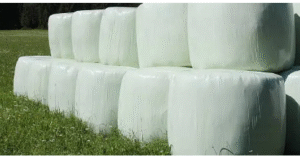 Multi-layered silage wrap is a high-performance plastic film designed specifically for sealing and protecting silage bales. Unlike single-layer wraps, multi-layered silage wrap consists of multiple bonded layers, providing superior strength, flexibility, and airtight sealing. These attributes help create an optimal anaerobic environment necessary for proper silage fermentation while preventing external contaminants from compromising feed quality.
Enhanced Fermentation Process with Multi-Layered Silage Wrap
Fermentation is a biological process where beneficial bacteria convert sugars in plant material into lactic acid, effectively preserving the silage. The quality of this fermentation directly impacts the nutritional value and digestibility of the feed. Multi-layered silage wrap enhances this process in several ways:
1. Improved Oxygen Barrier
One of the most critical aspects of successful silage fermentation is eliminating oxygen from the storage environment. Multi-layered silage wrap provides an exceptional oxygen barrier, reducing air infiltration and promoting rapid anaerobic conditions. It helps beneficial bacteria thrive while preventing spoilage microorganisms such as mould and yeasts from developing.
2. Faster and More Efficient Fermentation
Since multi-layered silage wrap effectively seals out air, lactic acid bacteria can quickly dominate the fermentation process. A rapid drop in pH stabilises the silage faster, preserving its nutrients and ensuring better feed quality. This efficient fermentation minimises dry matter losses and extends the longevity of the stored forage.
3. Reduced Risk of Secondary Fermentation
Secondary fermentation occurs when unwanted microorganisms, such as clostridia and fungi, break down silage nutrients, leading to spoilage. Multi-layered silage wrap significantly reduces this risk by maintaining a consistently airtight seal throughout the storage period, preventing re-exposure to oxygen. This protection is crucial in maintaining silage quality, particularly in prolonged storage.
Nutrient Retention Benefits of Multi-Layered Silage Wrap
The primary goal of silage storage is to preserve the nutritional integrity of the forage. Multi-layered silage wrap plays a vital role in maintaining essential nutrients, ensuring livestock receives high-quality feed. Here’s how it helps:
1. Prevents Dry Matter Loss
Dry matter loss occurs when silage is exposed to oxygen, causing organic material to break down and lose its nutritional value. Multi-layered silage wrap minimises these losses by providing a robust seal that maintains the internal moisture and nutrient balance of the forage.
2. Maintains Protein and Energy Levels
Protein and energy are critical components of livestock nutrition. Poor fermentation or exposure to air can lead to protein degradation and energy loss. Multi-layered silage wrap ensures that these essential nutrients remain intact by fostering optimal fermentation conditions that preserve the forage’s natural composition.
3. UV Protection for Long-Term Nutrient Stability
Exposure to ultraviolet (UV) light can degrade silage quality over time. Multi-layered silage wrap is designed with UV-resistant properties, protecting the forage from light-induced nutrient loss. This feature is especially important for farmers who store silage outdoors for extended periods.
4. Prevents Contamination from Pests and Weather
External factors such as pests, rodents, and weather conditions can compromise silage quality. The durability and tight seal of multi-layered silage wrap act as a protective barrier against these threats, ensuring that stored forage remains free from contaminants.
The Long-Term Benefits of Using Multi-Layered Silage Wrap
Farmers who invest in multi-layered silage wrap experience several long-term advantages, including:
- Better feed efficiency – Higher-quality silage leads to improved livestock performance, reducing the need for additional supplements.
- Cost savings – Reduced spoilage and dry matter loss mean less waste, lowering overall feeding costs.
- Environmental benefits – Efficient silage preservation minimises methane production from spoiled forage, contributing to a more sustainable farming approach.
Conclusion
Using multi-layered silage wrap is a proven strategy in Australia for enhancing fermentation and preserving the nutrient content of silage. Its superior oxygen barrier, durability, and UV protection create ideal conditions for high-quality feed storage. By investing in multi-layered silage wrap, farmers can ensure optimal livestock nutrition while minimising losses and maximising efficiency.
For those looking to improve their silage preservation practices, switching to multi-layered silage wrap is a smart and sustainable choice.