Modern landscape design is a dynamic field that combines aesthetics, functionality, and sustainability to create beautiful, usable outdoor spaces. Transforming a garden from a simple patch of green into a contemporary oasis requires careful planning, innovative ideas, and an understanding of modern design principles. This article delves into the essential elements of modern landscape design, offering insights into how you can turn your garden vision into reality.
Understanding Modern Landscape Design
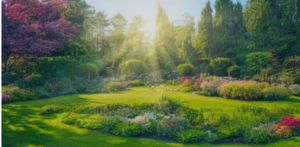 Clean lines, simplicity, and a strong connection between indoor and outdoor spaces characterise modern landscape design. It often includes sustainable practices, innovative use of technology, and a minimalist approach that emphasises functionality and aesthetic harmony. The goal is to create a space that is not only visually appealing but also enhances the overall quality of life.
Key Principles of Modern Landscape Design
Simplicity and Minimalism
Modern landscape design embraces the mantra “less is more.” This principle focuses on uncluttered spaces, clear lines, and a limited colour palette. The simplicity does not imply dullness; rather, it highlights the beauty of essential elements and avoids unnecessary embellishments. Neutral tones with occasional vibrant accents create a serene and sophisticated ambience.
Functionality
Every element in a modern garden serves a purpose. Whether it’s a seating area, a pathway, or a water feature, each component is designed with usability in mind. Gardens become extensions of living spaces, offering areas for relaxation, entertainment, and recreation. This focus on functionality ensures that the garden is not just beautiful but also practical.
Sustainable Practices
Sustainability is integral to modern landscape design. It includes using native plants that require less water, incorporating absorbent materials to reduce runoff, and employing rainwater harvesting systems. Sustainable design minimises environmental impact and promotes biodiversity. It also includes organic gardening practices and the use of renewable resources.
Transforming Your Garden: A Step-by-Step Approach
Step 1: Planning and Design
The transformation of a modern landscape design starts with thorough planning. Assess the space, considering factors such as size, existing landscape, climate, and your specific needs. Engage with a professional landscape designer, if possible, to help conceptualise the garden. Develop a detailed plan that outlines the layout, materials, plant choices, and functional areas. This blueprint will guide the entire transformation process.
Step 2: Choosing Materials and Plants
Selecting the right materials and plants is crucial in modern landscape design. Opt for durable, sustainable materials that complement the overall design aesthetic. For instance, use stone, concrete, or wood to create clean, geometric lines. When choosing plants, prioritise native species that thrive in your local climate and require minimal maintenance.
Step 3: Creating Structure with Hardscaping
Hardscaping elements such as patios, walkways, and retaining walls provide the garden’s structural foundation. Use materials like stone, brick, or composite decking to create defined areas and pathways. Incorporate raised beds, planters, and built-in seating to enhance functionality and aesthetics. The goal is to create a balanced layout that directs movement and organises space.
Step 4: Implementing Sustainable Practices
Sustainability must be a core consideration throughout the design and implementation process. Install efficient irrigation systems to conserve water, use organic soil amendments to enrich the soil, and set up composting areas for organic waste. Consider incorporating renewable energy sources such as solar-powered lighting. Sustainable gardens not only greatly benefit the environment but also reduce long-term maintenance costs.
Step 5: Adding Technological Features
Integrate technology to enhance the garden’s functionality and enjoyment. Automated irrigation and lighting systems can be programmed to operate efficiently, saving water and energy. Outdoor speakers, weather-resistant screens, and Wi-Fi extenders can transform your garden into an entertainment hub or a remote work area. Technology can also include security features like smart cameras and motion sensors.
Step 6: Personalising the Space
Personal touches make a garden unique and reflective of your personality. Add elements such as sculptures, custom furniture, or water features that resonate with your style. These additions should align with the overall design aesthetic and contribute to the garden’s functionality and beauty. Personalisation makes the garden a true extension of your home.
Conclusion
Transforming a garden with modern design principles involves a careful balance of great aesthetics, functionality, and sustainability. By embracing simplicity, focusing on usability, integrating technology, and maintaining a connection between indoor and outdoor spaces, you can create a beautiful and practical garden that enhances your lifestyle. Whether starting from scratch or fully renovating an existing garden, following these steps can help turn your vision into reality, making your outdoor space a true haven of modern landscape design.