In the realm of modern agriculture, efficiency isn’t just a goal—it’s a necessity. Farmers face constant challenges in maximising productivity while minimising waste and operational costs. One innovative solution that has transformed the landscape of forage preservation is stretch silage wrap. This advanced technology not only simplifies the process of wrapping silage bales but also significantly enhances the quality, longevity, and overall efficiency of farm operations.
Understanding Stretch Silage Wrap
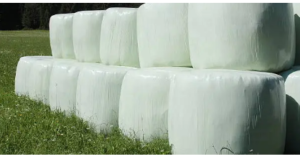 Stretch silage wrap is a specialised plastic film designed specifically for wrapping and protecting silage bales. Silage, a crucial component of livestock feed, is produced through the fermentation of high-moisture crops such as grass, maize, or legumes. Proper preservation is essential to retain the nutritional value of silage and prevent spoilage, which can lead to economic losses for farmers.
Traditionally, silage bales were wrapped using methods like netting or twine, which had limitations in moisture control and preservation effectiveness. Stretch silage wrap revolutionises this process by creating a tight, oxygen-free seal around the bale. This seal not only prevents oxygen ingress but also reduces the growth of aerobic bacteria and fungi that cause spoilage. As a result, silage preserved with stretch silage wrap maintains its freshness, nutritional quality, and palatability for extended periods.
Advantages of Stretch Silage Wrap
- Enhanced Preservation and Quality: One of the primary benefits of stretch silage wrap is its ability to create an optimal environment for silage fermentation. By tightly sealing the bale, it prevents oxygen from reaching the silage, thereby inhibiting the growth of spoilage microbes. It results in higher-quality silage that retains more nutrients, ensuring that livestock receive nutritious feed throughout the year.
- Improved Moisture Management: Maintaining the correct moisture content is crucial for effective silage preservation. Stretch silage wrap helps regulate moisture levels by reducing moisture loss during storage and preventing excess water from entering the bale. This controlled environment promotes better fermentation and enhances the digestibility of the silage, ultimately benefiting animal health and performance.
- Ease of Application and Efficiency: Compared to traditional wrapping methods, stretch silage wrap offers ease of application and increased efficiency. Modern wrapping machinery allows farmers to wrap bales quickly and uniformly, reducing labour costs and saving valuable time during busy harvesting seasons. This efficiency not only improves operational productivity but also minimises potential losses due to delayed or inadequate silage wrapping.
- Durability and Protection: Stretch silage wrap is designed to withstand harsh weather conditions and outdoor storage environments. Its durability ensures that silage bales remain intact and well-protected against wind, rain, and UV radiation. This resilience minimises the risk of physical damage and maintains the integrity of the silage, preserving its nutritional value and minimising feed wastage.
- Cost Effectiveness: While the initial investment in stretch silage wrap may be higher than traditional wrapping materials, its long-term benefits outweigh the costs. Reduced spoilage rates lead to less feed wastage and lower replacement costs, resulting in overall cost savings for farmers. Additionally, the improved quality and consistency of silage can contribute to better animal performance and reduced veterinary expenses over time.
- Environmental Sustainability: Stretch silage wrap supports sustainable farming practices by reducing agricultural waste and resource consumption. Its efficient preservation capabilities minimise the need for chemical additives and additional storage facilities, promoting environmental stewardship and reducing the farm’s carbon footprint.
Implementing Stretch Silage Wrap in Farm Operations
Integrating stretch silage wrap into farm operations requires understanding its application requirements and operational benefits. Farmers should consider factors such as bale size, moisture content, and equipment compatibility when adopting this technology. Proper training in wrapping techniques and maintenance of wrapping equipment is essential to maximise the effectiveness of stretch silage wrap and optimise farm efficiency.
Conclusion
In conclusion, stretch silage wrap represents a significant advancement in modern agricultural practices, particularly in the realm of forage preservation. Its ability to enhance silage quality, improve moisture management, and streamline wrapping processes makes it an indispensable tool for farmers seeking to improve efficiency and profitability. By investing in stretch silage wrap, farmers can achieve greater operational efficiency, reduce costs, and contribute to sustainable farming practices. As agricultural technologies continue to evolve, innovations like stretch silage wrap will play a crucial role in shaping the future of farming, ensuring both economic success and environmental responsibility in the agricultural sector.